When every second counts, people expect more than just noise from their alarms and security systems—they expect clarity, reliability, and seamless coordination between technology and the professionals behind it. From safeguarding families at home to protecting critical infrastructure and streamlining emergency response, modern alarm systems now combine sensors, connectivity, automation, and data to deliver protection that actually works when it matters most. Below are the key types of alarms and systems that consistently earn trust by performing under pressure.
1. Professionally Monitored Home Security Systems
Homeowners increasingly rely on professionally monitored systems that integrate door and window sensors, motion detectors, cameras, and smart locks. These systems connect to 24/7 monitoring centers that can verify alarms, contact property owners, and dispatch emergency services quickly. Features like cellular backup, battery redundancy, and tamper alerts help ensure the system continues working even during power failures, internet outages, or attempted sabotage.
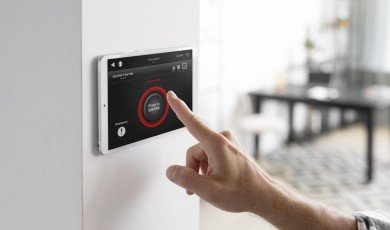
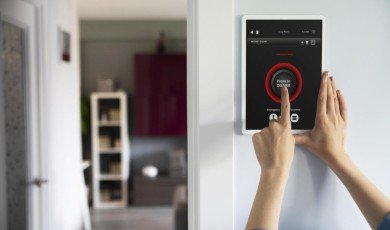
Modern home security platforms also support mobile apps that let users arm or disarm remotely, view live video feeds, and receive push notifications for suspicious activity. By combining professional oversight with user-friendly control, they dramatically reduce response time and human error, which is why they’ve become a standard layer of protection in many households.
2. Integrated Commercial Security and Compliance Systems
Businesses demand more than basic burglar alarms; they need integrated security ecosystems that tie together access control, intrusion detection, visitor management, and regulatory compliance. Cloud-based control panels, door controllers, and video management platforms work in unison to track who enters and exits facilities, when, and through which access point. Organizations often use reporting tools and back-office solutions such as a **invoice pdf generator** to streamline documentation, billing, and record-keeping associated with security services, inspections, and maintenance.
Advanced commercial systems support multi-site management, role-based permissions, and detailed audit trails. They help organizations maintain compliance with industry regulations (for example, in healthcare, finance, or manufacturing) by documenting system events like door forced-open incidents, alarm activations, and system tests. This data is vital not only for security but also for legal and insurance purposes.
3. Fire Detection and Life Safety Systems
Fire alarms remain one of the most critical life safety technologies. Trusted systems combine smoke detectors, heat detectors, manual pull stations, sprinkler monitoring, and emergency communication. Intelligent fire panels can distinguish between different types of signals—such as trouble, supervisory, and alarm conditions—ensuring that first responders receive relevant and accurate information.
Many modern fire systems support addressable detection, allowing technicians and firefighters to pinpoint the exact device or zone that triggered an alarm. Integration with building management systems enables automatic responses like unlocking egress doors, shutting down HVAC units to prevent smoke spread, and activating strobe lights or voice evacuation messages. Routine inspections and digital reporting reinforce confidence that the system will function properly when occupants need it most.
4. Medical Alert and Personal Emergency Response Systems
For seniors, individuals living alone, or those with chronic health conditions, medical alert systems provide a safety net that can be activated with the press of a button. Wearable pendants, smartwatches, or wall-mounted help buttons connect to emergency monitoring centers that can summon paramedics or notify family members.
Modern systems increasingly include fall detection, GPS tracking for users on the move, and health monitoring metrics such as heart rate or oxygen levels. These features make it easier for caregivers and medical professionals to intervene before minor issues become life-threatening emergencies, reinforcing user trust in the technology.
5. Video Surveillance and Smart Analytics Platforms
CCTV has evolved into intelligent video surveillance. High-resolution IP cameras, coupled with AI-powered analytics, now detect motion, recognize license plates, flag loitering, and even identify unusual behavior patterns. Rather than relying solely on security personnel watching live feeds, analytics engines highlight critical events and reduce false alarms.
Cloud recording, encrypted data transmission, and multi-factor authentication add layers of security to the video itself. Users can remotely view footage through mobile apps, share clips with law enforcement, and store evidence for investigations. When combined properly with alarms and access control, video systems create a comprehensive, verifiable record of incidents.
6. Environmental Monitoring and Industrial Safety Systems
In industrial and commercial environments, safety extends beyond intrusion and fire. Environmental monitoring alarms track factors like temperature, humidity, gas levels, and water leaks. Data centers, laboratories, warehouses, and manufacturing plants depend on these systems to protect expensive equipment, sensitive materials, and the health of personnel.
Gas detection systems, for example, monitor for hazardous substances like carbon monoxide, methane, or volatile organic compounds. When thresholds are exceeded, alarms trigger ventilation, process shutdowns, and emergency notifications. Environmental sensors often tie into supervisory control and data acquisition (SCADA) or building management platforms for centralized oversight and automated responses.
7. Mass Notification and Emergency Communication Systems
During large-scale emergencies—such as severe weather events, active threats, or hazardous material incidents—mass notification systems deliver targeted alerts to large populations in seconds. These platforms use multiple channels, including SMS, email, voice calls, push notifications, PA systems, and digital signage, to ensure messages are received even when one channel fails.
Trusted systems allow emergency managers to send preconfigured templates, segment messages by location or role, and confirm delivery status. Integration with other alarms (like fire or intrusion systems) streamlines workflows, while clear, consistent messaging helps reduce panic and direct people toward safe actions.
8. Smart Home Automation Tied to Security Events
Smart home technology adds an extra dimension to traditional alarm systems. Lighting, thermostats, smart plugs, and motorized shades can all respond automatically to security events. For example, if a burglar alarm sounds at night, the system can turn on interior and exterior lights, lock all doors, and trigger cameras to start recording immediately.
Automation reduces the cognitive load on users during stressful situations. Instead of fumbling through multiple apps, homeowners rely on pre-set scenes and routines that execute when specific triggers occur. This level of orchestration builds trust because it turns a single alarm into a coordinated response.
Conclusion: Reliability, Integration, and Accountability
Alarms and security systems earn people’s trust not just through loud sirens or flashing lights, but through consistent reliability, intelligent integration, and clear accountability. Whether protecting a family home, a high-security facility, or an industrial site, the most effective solutions are those that combine professional monitoring, smart automation, robust documentation, and user-friendly controls.
As technology continues to converge—connecting sensors, communication platforms, and back-office tools—organizations and individuals gain unprecedented visibility and control over their safety. Investing in well-designed, properly maintained systems ensures that when the unexpected happens, alerts are timely, responses are coordinated, and critical decisions are supported by accurate, actionable information. That is the foundation of true confidence when it matters most.